
Caleb
Caleb’s Story: Recovery Gave Me a Vision for the Future
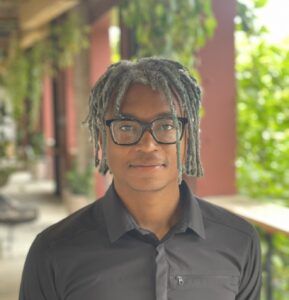
When I arrived at Skyland Trail, I knew I needed more than a reset. I needed structure, community, and the tools to rebuild my life.
I’ve always been passionate about music and technology. I’m a multidisciplinary artist, and I love building things from the ground up. Even as a kid, I would reprogram operating systems and rebuild computers just to understand how they worked. But in college, without a clear path forward, I struggled to turn that passion into purpose.
In 2018, my addiction began. For five to six years, substance use became how I coped with uncertainty and emotional pain. I knew what I wanted to do in life, but I didn’t have a plan to get there. Using became my escape. It made me feel safe when everything else felt unstable.
After spending time abroad with family, I relapsed when I returned home. That relapse led to a cross-country drive and a near-fatal accident involving a semi-truck. It was a wake-up call. I realized I needed intensive intervention and long-term support.
I chose residential treatment because I knew I needed community and accountability. I wanted to understand my diagnosis of schizoaffective disorder and learn practical skills I could apply in everyday life. Most importantly, I wanted to build a foundation for lasting recovery.
One of the hardest parts of treatment was learning about my diagnosis and recognizing how it had affected my life. I experience prolonged highs and prolonged lows, and before treatment, I didn’t fully see those patterns. Through therapy, psychoeducation, and medication management, I began to understand what was happening and how to respond in healthier ways. Finding the right medication was pivotal. Once my treatment team adjusted my regimen, everything stabilized. For the first time in a long time, I felt like myself again.
Beyond clinical care, I found healing in experiential programming. Working with the Green Team in the greenhouse became one of my favorite parts of the program. Taking care of plants and watching them grow felt symbolic of my own recovery. It was calming, grounding, and gave me space to reflect.
The relationships I built with staff and therapists were equally important. I felt safe being open and vulnerable without judgment. If I started slipping, they helped guide me back on track. Through family therapy, my loved ones and I learned how to communicate more openly and establish healthier boundaries. Today, my relationships are stronger than they have ever been.
When I completed treatment, I felt ready. I transitioned into sober living, began actively working a recovery program, and secured a job within two weeks. Today, I’m studying cybersecurity and working toward becoming a security analyst. The structure and consistency I practiced in treatment became the blueprint for my daily life.
Recovery for me today means maintaining routine, staying connected to community, and continuing to use the skills I learned. It means building a life that reflects who I truly am.
Before Skyland Trail, I was lost. Now, I know where I’m going. Recovery gave me more than stability. It gave me a vision for who I want to become.