
Research
Research is an important component of our mission.
The Skyland Trail research team partners with academic and healthcare organizations to help advance understanding of effective mental health treatment. We are grateful to the individuals and organizations who contribute to make these collaborations possible.
Our research team also leads our patient outcomes research and client community data analysis.
Current Research Studies
Skyland Trail is currently participating in three research studies.
- Longitudinal Treatment Outcomes of Skyland Trail PatientsTo better understand how patients sustain recovery after leaving Skyland Trail, we aim to track long-term outcomes and follow patient trajectories once they re-enter their communities. This ongoing study will gather and analyze data to improve patient success and inform the broader psychiatric community about the lasting benefits of holistic, evidence-based residential treatment. The results will help refine pre- and post-discharge treatment standards, allowing us to identify challenges and successes in recovery. By doing so, we can implement new strategies during treatment to better equip patients for lasting success.
- Understanding the Role of Hormones for Adult Female Patients with Borderline Personality Disorder: Emory University School of Medicine Department of Gynecology and Obstetrics This study will examine circulating ovarian hormones to determine how they map on to symptoms, symptom severity, and treatment response so that we can develop more personalized treatment approaches.
Student Learning Support
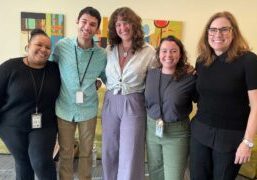
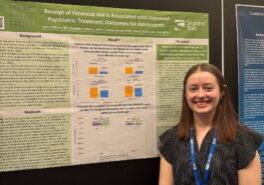
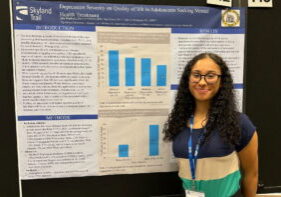
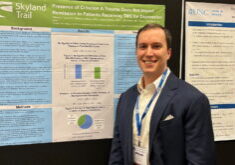
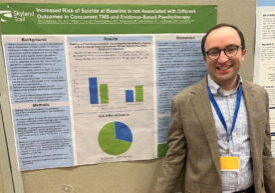
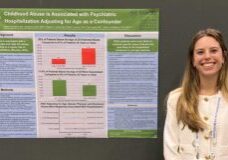
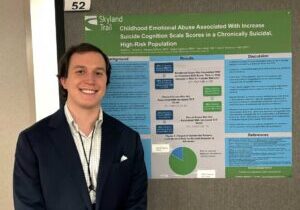
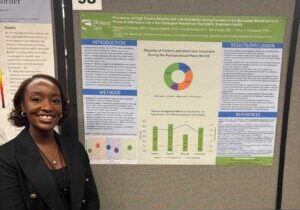
In 2024-2025, the Research & Outcomes Department provided mentorship and hands-on training to three undergraduate students and seven graduate students from five universities: Oglethorpe University, Emory University, Georgia State University, University of Georgia, and Mercer University. Students participated in ongoing research, presented at conferences, and completed milestones using Skyland Trail patient data.
Research Updates
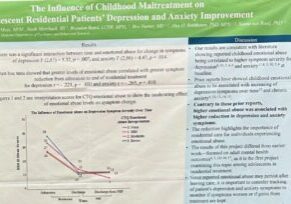

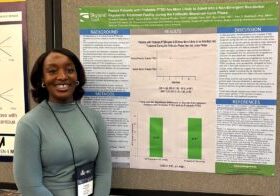
Recent Presentations
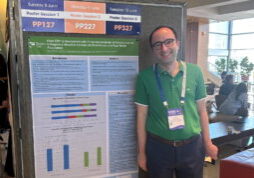
Published Articles
- Katrinli, S., Rothbaum, A.O., DeMoss, R. et al. The impact of ovulation-suppressing contraceptives on behavioral and functional difficulties in borderline personality disorder. Neuropsychopharmacol. 50, 841–848 (2025). https://doi.org/10.1038/s41386-024-02045-4
Meet Our Research Team

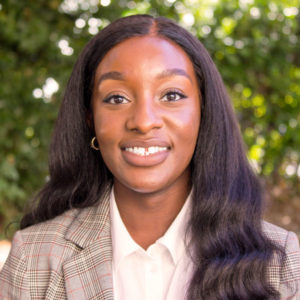
Outcomes and Research Director
Outcomes and Research Coordinator

Research Scientist