
CBT Treatment for Adults with Mood and Anxiety Disorders
Cognitive behavioral therapy (CBT) is an evidence-based psychotherapy used to treat a range of mental health conditions, including depression and anxiety disorders. At Skyland Trail, CBT is offered as a specialized treatment modality within our adult residential and day treatment programs.
Cognitive Behavioral Therapy, or CBT, is one of several "recovery communities", or treatment tracks, in the Skyland Trail adult residential and PHP treatment programs.
What does CBT look like at Skyland Trail?
Each adult client is assigned to a specialized recovery community and a “core group” within that community. Each core group is a primary support system of 10 to 15 clients with similar diagnoses and is led by a specialized counselor.
Each client also receives individualized, one-on-one support from a primary counselor and psychiatrist who focus specifically on clients in that recovery community. Our experts receive CBT training from the Beck Institute.
CBT groups and individual sessions follow a model-adherent CBT curriculum to help clients learn more about their diagnoses and adopt skills to manage symptoms.
What disorders does CBT treat?
Clients who admit to the Skyland Trail adult residential treatment program may be assigned to the CBT recovery community if they have a primary or co-occurring:
- depressive disorder
- bipolar disorder
- anxiety disorder
What is CBT?
Cognitive Behavioral Therapy (CBT) is a well-tested specialized type of psychotherapy shown to be effective for certain types of psychiatric illnesses. CBT suggests that individuals' thoughts, behaviors, and feelings are inextricably linked and affect one another.
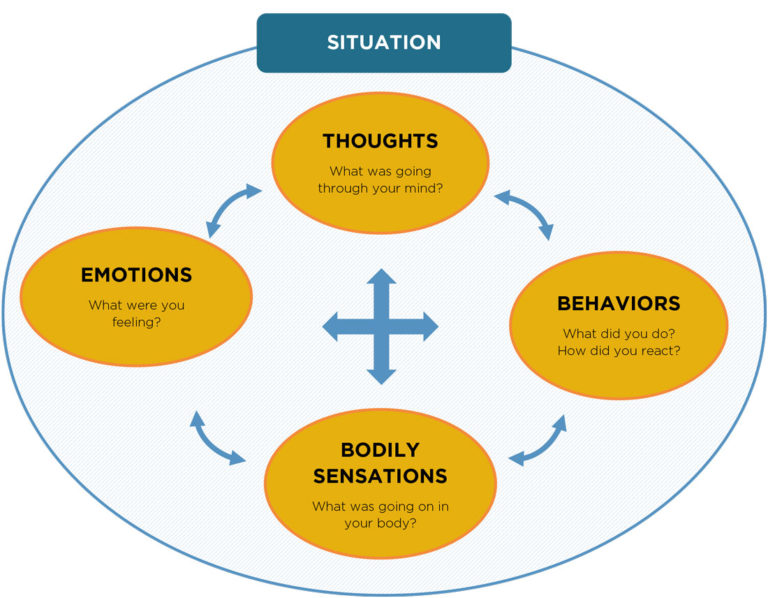
CBT teaches skills to change distorted negative thinking
CBT clients learn to identify cognitive distortions and faulty thinking, restructure negative thought patterns, and identify cues and triggers. Skills-building is focused on addressing behavioral patterns that impact mood by practicing healthy routines that support positive mood and physical health.
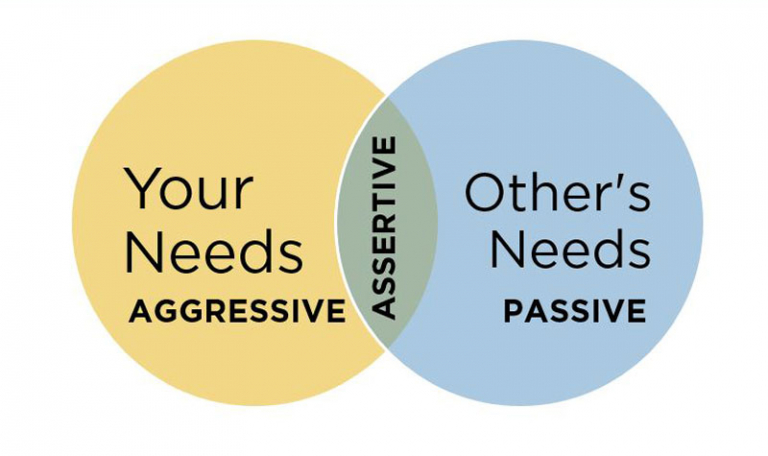
Learning to use assertive communication skills instead of relying on aggressive or passive-aggressive communications also helps clients better communicate their needs in personal and professional relationships.
Learn more about cognitive distortions here.
CBT helps prevent and manage mood episodes
Ultimately, clients learning CBT develop skills to prevent mood problems, intrusive thoughts, and problematic behaviors from diminishing their quality of life. Graduates of the CBT recovery community at Skyland Trail have a toolbox of strategies to keep them healthy. They are better able to recognize unhealthy thoughts and behaviors early and successfully change them before they impact mood.
Skyland Trail CBT treatment team experts receive ongoing training in CBT, including training from the Beck Institute.
How is CBT different that DBT?
DBT (dialectical behavior therapy) is a specialized type of CBT. Learn more about the differences here.
Skyland Trail clients assigned to the CBT recovery community are also introduced to DBT concepts and skills. Residential and PHP clients participate in a full schedule of psychoeducation groups throughout the week and have the opportunity to explore a range of modalities, skills, and activities that support healing, growth, and sustained recovery.