
Women Pioneers in Mental Health
To celebrate Women’s History Month, Skyland Trail is highlighting some of the most prominent women in the field of mental health. Psychology and psychiatry have historically been dominated by men, although women have played an integral role in modernizing and revolutionizing the field. These women, among many others, have brought to light unethical practices, introduced new ways of framing mental health, and broken barriers for marginalized people in medical fields.
Marsha Linehan – Developer of Dialectical Behavior Therapy

Dr. Marsha Linehan is the developer of Dialectical Behavior Therapy (DBT), a cognitive behavioral treatment originally developed for individuals experiencing chronic suicidal thoughts and behaviors and later adapted for a range of complex mental health conditions. According to the American Psychological Association, DBT combines strategies such as mindfulness, distress tolerance, emotion regulation, and interpersonal effectiveness to help individuals build lives worth living. Dr. Linehan has also been open about her own lived experience with serious mental illness, helping to reduce stigma and reinforce the message that recovery is possible. Today, DBT is widely used in treatment settings across the country, including residential and outpatient programs such as Skyland Trail. It remains one of the most researched and evidence-based therapies for individuals with borderline personality disorder and related challenges.
Margaret Morgan Lawrence – A Trailblazer in Child Psychiatry
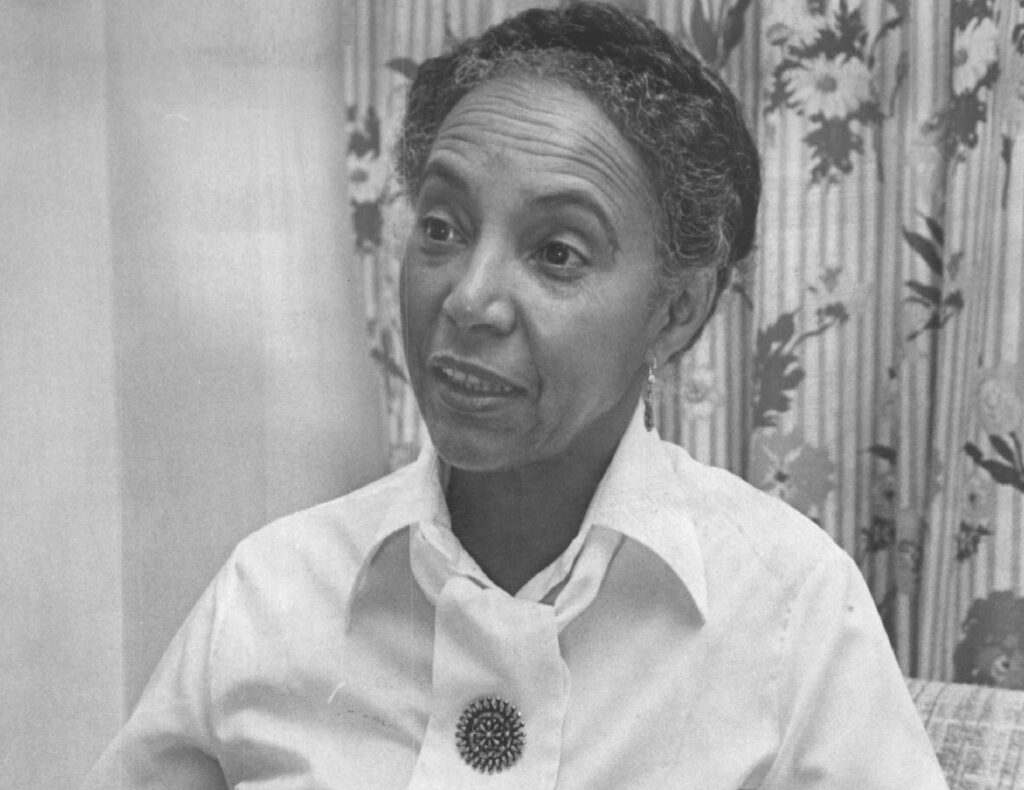
After losing her brother to a congenital condition, Dr. Margaret Morgan Lawrence pursued medicine at a time when opportunities for women, and especially Black women, were extremely limited. She was the only African American student in her class and among only ten women at Columbia University Vagelos College of Physicians and Surgeons. Dr. Lawrence began her career as a pediatrician before returning to training in psychiatry. She went on to serve for 21 years as Chief of Psychiatry for Infants and Children at Harlem Hospital Center. As noted by the American Psychiatric Association, she was the first African American woman certified in psychiatry and made significant contributions to the field of child and adolescent mental health. Her work expanded access to culturally competent psychiatric care and opened doors for generations of physicians who followed.
Nellie Bly – Exposing Injustice in Mental Health Care
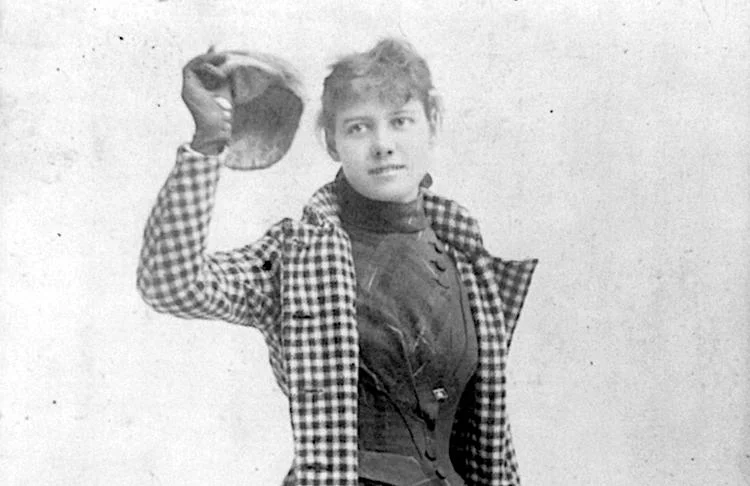
Long before mental health reform became a national conversation, investigative journalist Nellie Bly brought public attention to inhumane conditions inside psychiatric institutions. In 1887, she feigned mental illness to gain admission to the Women’s Lunatic Asylum on Blackwell’s Island in New York. She remained there for ten days before publishing her exposé, later compiled into the book Ten Days in a Mad-House. Her reporting documented neglect and abuse and led to increased funding and reforms within New York City’s mental health system. Historians credit her work as a catalyst for broader conversations about patient rights and humane treatment standards in psychiatric care.
Elisabeth Kübler-Ross – Changing How We Understand Grief
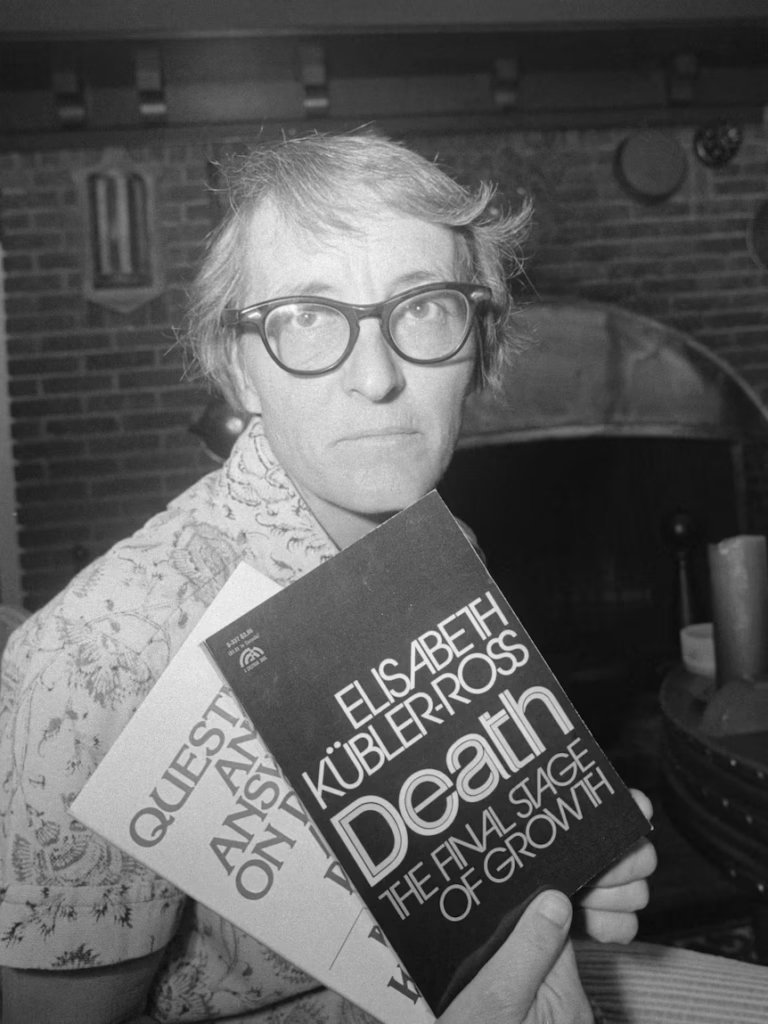
Dr. Elisabeth Kübler-Ross transformed the way the medical community and the public understand death and dying. Her groundbreaking book, On Death and Dying, introduced what became known as the “five stages of grief”: denial, anger, bargaining, depression, and acceptance. According to the Stanford University School of Medicine, her work helped establish the modern hospice movement and encouraged more compassionate communication with patients facing terminal illness. While the stages were never meant to be a rigid framework, the language she introduced gave individuals and families a way to talk about loss, grief, and the emotional complexity surrounding serious illness.
At Skyland Trail, we recognize that progress in mental health care has been shaped by courageous voices who challenged systems, expanded research, and centered compassion. The women highlighted here represent only a small part of a much broader story. Their work reminds us that innovation in mental health often begins with empathy, advocacy, and a willingness to see people not as diagnoses, but as individuals deserving dignity and hope.
As we celebrate Women’s History Month, we also reaffirm our commitment to advancing accessible, evidence-based treatment and reducing stigma. The path forward in mental health continues to be built by pioneers who are willing to lead with both science and heart.
American Psychological Association. “Dialectical Behavior Therapy (DBT).”
https://www.apa.org/ptsd-guideline/patients-and-families/dialectical
Behavioral Tech / University of Washington. “Marsha M. Linehan.”
https://depts.washington.edu/uwbrtc/our-team/marsha-linehan/
Encyclopedia Britannica. “Margaret Morgan Lawrence.”
https://www.britannica.com/biography/Margaret-Morgan-Lawrence
Encyclopedia Britannica. “Nellie Bly.”
https://www.britannica.com/biography/Nellie-Bly
University of Pennsylvania Libraries. Ten Days in a Mad-House (Full Text).
https://digital.library.upenn.edu/women/bly/madhouse/madhouse.html
Encyclopedia Britannica. “Elisabeth Kübler-Ross.”
https://www.britannica.com/biography/Elisabeth-Kubler-Ross
EKR Foundation. “On Death and Dying & The Five Stages of Grief.”
https://www.ekrfoundation.org/5-stages-of-grief/on-death-and-dying/