
Marijuana & Mental Health: Understanding the Connection
Cannabis use continues to rise across the United States, especially among adolescents and young adults. As the most commonly used substance after alcohol, marijuana is often viewed as low risk. However, cannabis is a psychoactive substance that can meaningfully affect brain function and mental health, particularly for individuals already experiencing emotional or psychiatric challenges.
Research indicates that marijuana use may increase the risk and severity of conditions such as depression, anxiety, psychosis, and mania. For young people, the impact may be even more significant. The brain continues developing into early adulthood, and studies suggest cannabis use during this time may be associated with changes in the prefrontal cortex, the area responsible for decision making, impulse control, and executive functioning.
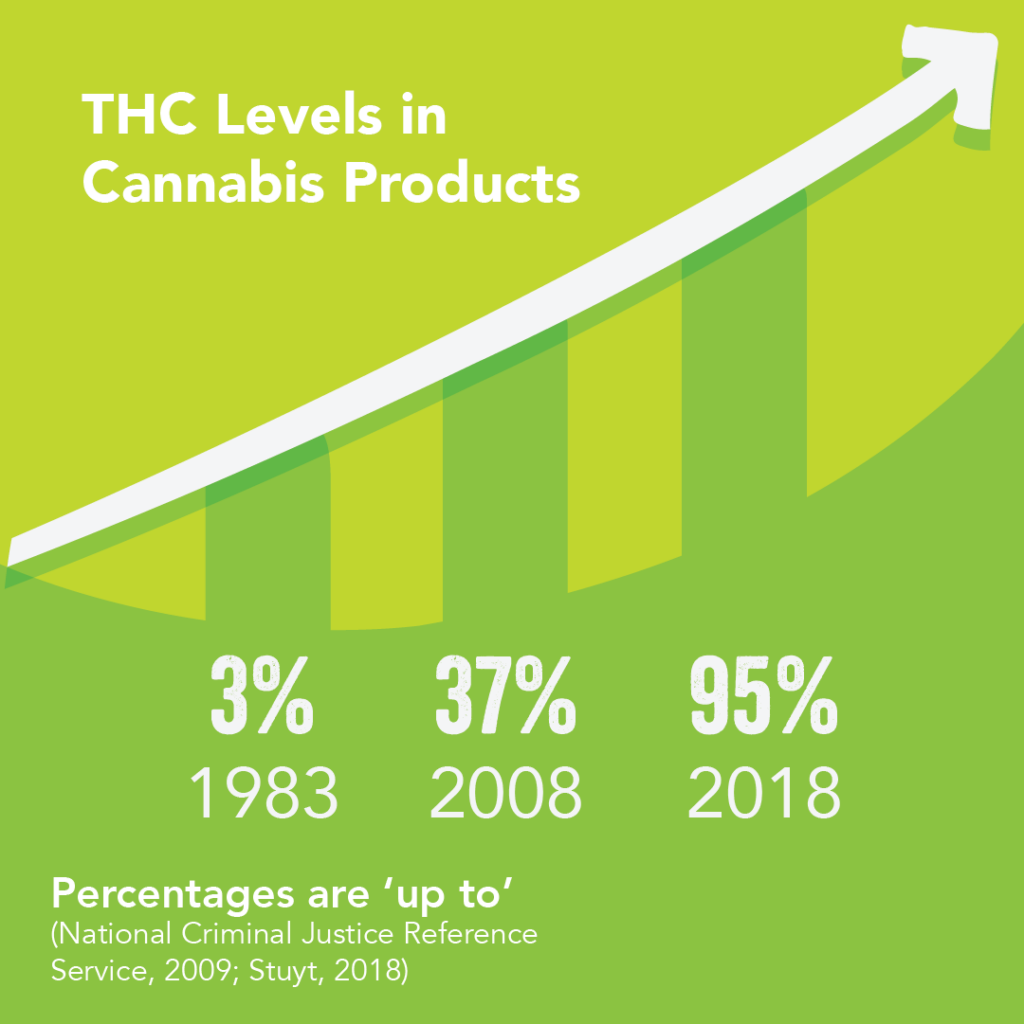
At the same time, cannabis products have become significantly more potent. In 1995, marijuana contained approximately 4 percent THC. Today, the average is closer to 17 percent, with some concentrated products reaching THC levels as high as 90 percent. Increased potency can heighten the risk of negative psychological effects and contribute to dependency.
Regular cannabis use can also lead to tolerance, meaning more of the substance is needed to achieve the same effect. When use is reduced or stopped, individuals may experience withdrawal symptoms such as irritability, sleep disruption, and mood changes, which can make it more difficult to stop without support.

“Though often viewed as low risk, marijuana use can have meaningful effects on mental health, particularly for individuals already experiencing emotional or psychiatric challenges,” says Colin Murphy, MD, psychiatrist at Skyland Trail.
At Skyland Trail, we understand that mental health and substance use are often closely connected. Our dual diagnosis programs are designed to treat both at the same time, helping individuals better understand how substances like marijuana, alcohol, and other drugs impact their mood, thinking, and overall well being. Through evidence based therapies and a supportive clinical environment, clients build the skills needed for lasting recovery.
Take the Next Step
If you or a loved one is navigating both mental health challenges and substance use, help is available. Learn more about Skyland Trail’s dual diagnosis treatment programs and how integrated care can support long term healing and recovery.